Is This Area Safe? Checking a Neighbourhood Before You Book
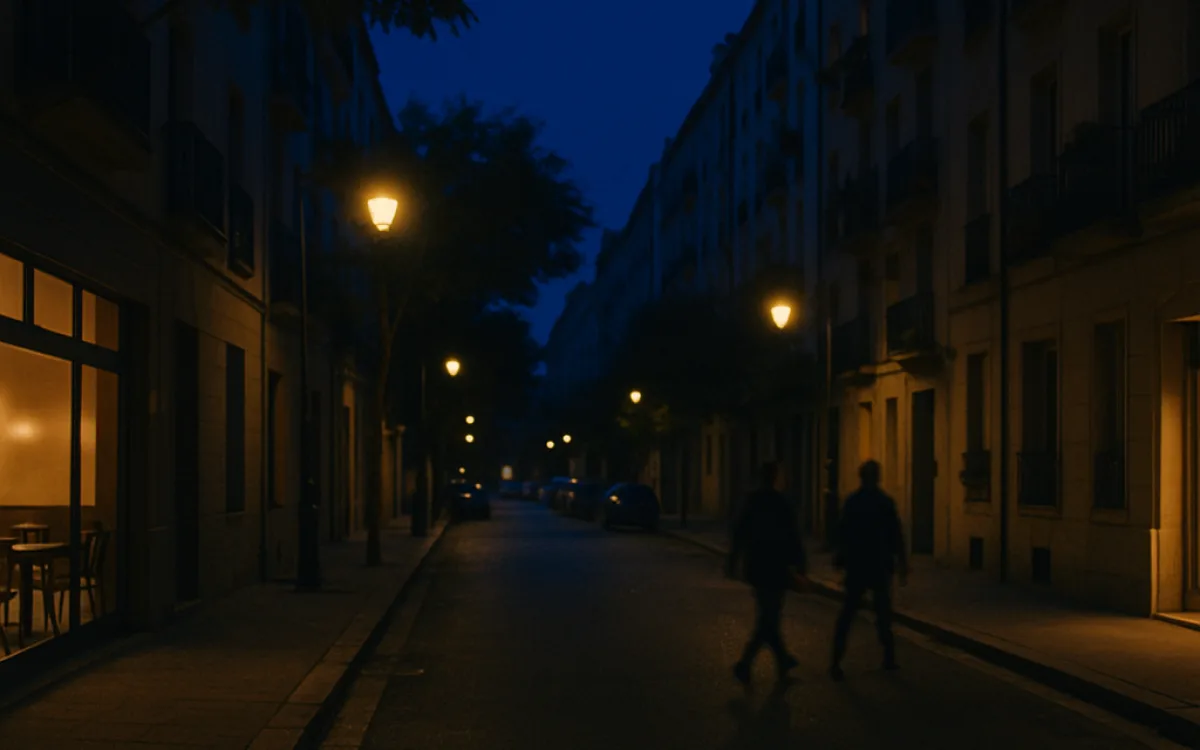
"Is this area safe?" is the most common question about an unfamiliar city and the hardest to answer well, because the honest answer is almost always "safe for what, and at what hour?"
General safety ratings flatten that into one number, and a single alarming review distorts it the other way. This guide covers the specific, checkable signals that actually tell you something — all of which you can look at before you book.
Why a single safety score misleads#
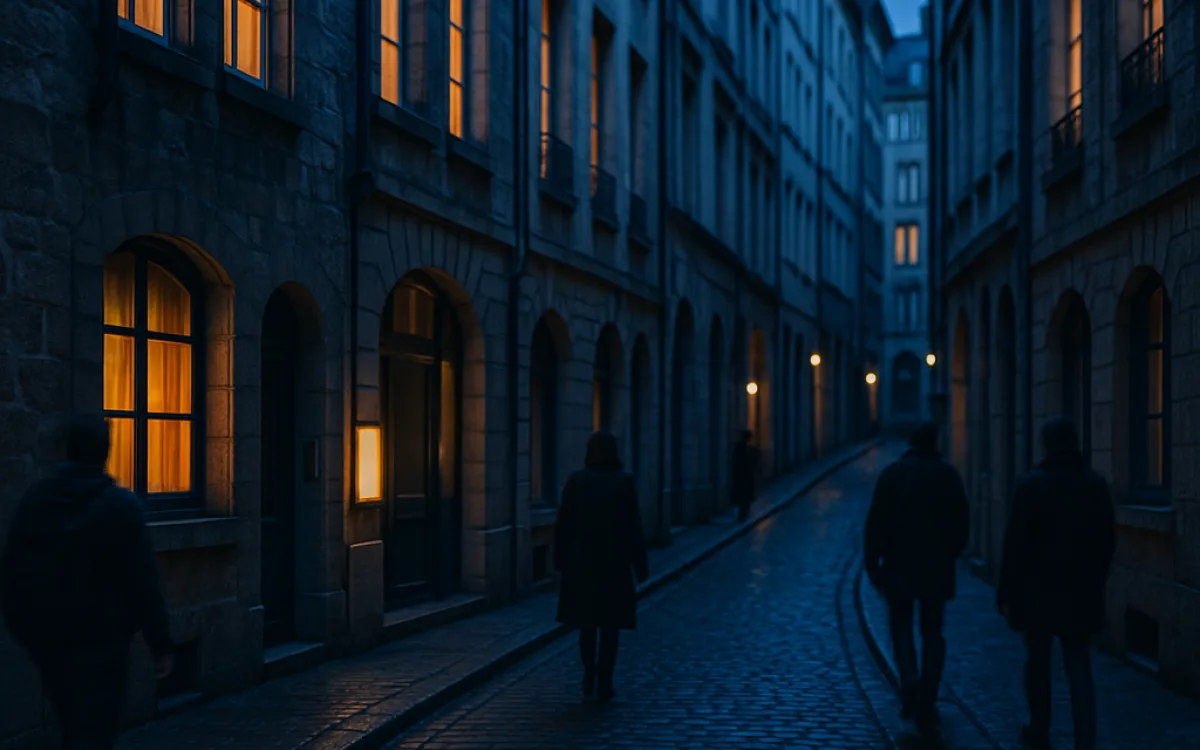
Neighbourhoods are not uniformly anything. The same three streets can be busy and pleasant at seven in the evening and empty at one in the morning; a district with a poor reputation may have one lively, well-lit corridor that is completely fine.
Aggregate scores also mix things that have nothing to do with your night: property crime statistics, daytime pickpocketing near landmarks, and how a visitor felt walking somewhere unfamiliar. The result is a number that cannot answer the question you are actually asking, which is narrower: is the specific walk I will do, at the hour I will do it, all right?
Signals worth checking, in order of usefulness#
Each of these is verifiable from home in a few minutes, and together they answer more than any rating.
| Signal | How to check it | What it tells you |
|---|---|---|
| The walk from the stop | Map the exact route; view it at street level | The part of the trip you will repeat daily |
| Street lighting | Street imagery; reviews mentioning evenings | How the route feels after dark |
| Footfall after dark | Recent reviews; whether businesses open late | Empty streets feel worse and are worse |
| Ground-floor businesses | Street imagery: shuttered vs open frontages | A lived-in street versus a dead one |
| Entrance type | Listing photos and reviews | Staffed desk vs a keypad on the street |
| Recent reviews, filtered | Sort by newest; read solo travellers and families | What changed in the last few months |
Old reviews describe an old street. Sort by newest and weight the last few months heavily — districts change faster than reputations do.
Reading reviews without being misled#
Reviews are the best source available and also the easiest to misread. Two habits help.
Look for repetition, not drama. One frightening account may describe a genuine problem or one bad night; five separate reviews mentioning the same dark underpass is a pattern. Patterns are information; single incidents rarely are.
Match the reviewer to yourself. Someone arriving by car at 15:00 and someone walking from a station at 23:00 have visited different places. Filter for travellers whose trip resembles yours, and read what they say about the route rather than the room.
What to prioritise when the area is unfamiliar#
If you cannot resolve the question confidently, these choices reduce the risk more than changing district often does.
- A staffed reception, especially for a late arrival — someone to let you in and to ask.
- An entrance on a main, lit street rather than down a side alley or through a courtyard.
- A short, direct walk from transport, even if that costs a little more per night.
- A room above ground floor if the ground floor opens onto the street.
- A hotel where the lobby is visible from outside — passive supervision matters.
- Arrive in daylight the first time, so the route is familiar before you do it at night.
The ordinary precautions that actually apply#
Most travel incidents in cities are opportunistic and property-related rather than dramatic, which means ordinary habits cover most of it.
Use the in-room safe or reception storage for documents you do not need that day. Keep the hotel address written down somewhere that works without a battery. Be conscious of pickpocketing in crowded tourist streets, stations and transport, which is where it concentrates almost everywhere. And check the fire exit on your floor once — it is the one safety measure people skip that is genuinely worth thirty seconds.
For anything beyond that, official travel advice from your own government is a better source than a hotel review, and it is updated when conditions change.
Frequently asked questions
Are cheaper areas less safe?
Not reliably. Price mostly tracks demand — proximity to sights, transport and business districts — rather than risk. Plenty of inexpensive residential neighbourhoods are quiet and settled, while some of the most expensive tourist streets have the highest rate of pickpocketing. Judge the specific street and the specific walk, not the price band.
Is it safer to stay near the main station?
It is the best connected and often the least comfortable at night. Station districts are busy and well lit, which helps, but they also attract late-night activity that some travellers find uncomfortable. If you arrive late and leave early it can be the practical choice; for a longer stay, a residential street one stop out is usually a calmer night.
What should a solo traveller check specifically?
The entrance and the last two hundred metres. A staffed reception, a lit main-street door and a short walk from transport remove most of the situations people worry about. It is also worth reading reviews from other solo travellers, who tend to describe exactly these details while other reviewers describe the breakfast.
Can I trust a hotel’s own description of the neighbourhood?
Treat it as marketing. "Vibrant" often means noisy, "up and coming" often means unfinished, and "quiet residential" is the one claim worth verifying because it is the easiest to disprove with recent reviews. Street-level imagery and the newest reviews are more reliable than any description written by someone selling the room.
is this area safe hotelsafe area to stayhotel neighbourhood safetychecking a neighbourhoodsolo travel hotel safetywalking from station at night